

One day my good friend and I were having lunch; he wanted to talk to me about the ISO standards and how that's evolving. He then asked me
“Is ISO 14001 compulsory for certain businesses?”
I told him.
“Unfortunately, environmental responsibility is no longer optional for businesses.”
Times have changed.
According to the Environmental Protection Agency (EPA), you can witness consumers becoming aware of the environment, regulations are stricter, and investors are closely keeping an eye on sustainability practices.
If your company chooses to ignore environmental management today, you will risk getting regulatory penalties and missing out on business opportunities.
Many organizations implement ISO 14001 software to bypass these risks; it is the internationally recognized standard for Environmental Management Systems (EMS).
Don’t see environmental compliance as a reactive process. Instead, think of ISO 14001 as a helper; it helps your company build a structured system to manage environmental impact, reduce risks, and improve operational efficiency.
So, what are the real ISO 14001 benefits for businesses today?
If you are considering ISO 14001 certification, this guide will help you understand its 13 key benefits and how they impact your business.

ISO 14001 is a widely recognized international standard that is developed by the International Organization for Standardization (ISO), and it defines the requirements for an Environmental Management System (EMS).
With the help of an EMS, it gives companies a roadmap framework that helps identify, monitor, and manage the environmental aspects of the operations. The intention is not only to reduce environmental damage but also to create a system where the entire company is aware and responsible for the environment.
Having an ISO 14001 certification basically signals your company as a green flag to other companies wanting to do business with you; it basically shows that you are complying with EMS as per the ISO standards.
One clarification worth mentioning is that ISO 14001 does not individually certify your product as environmentally friendly. Rather, it certifies your company as a whole; it looks at
When implemented properly, this system delivers significant operational and strategic benefits that eventually getting ISO 14001 certified.
You need to understand that having ISO 14001 isn't all about just environmental safety; it is much more than that. You will improve efficiency, strengthen compliance, and enhance your brand reputation in competitive markets.
Below are the 13 key benefits that you will need to know that can truly help you gain strategic advantages in your company.

As I have mentioned earlier, the environmental regulations are becoming tighter across many countries and industries. Environmental laws such as emissions, waste disposal, hazardous materials, and resource usages need to be complied with.
Without a structured approach, your organization may struggle to track regulatory changes or ensure consistent compliance.
ISO 14001 helps your business establish a systematic process to:
Implement these compliance processes into your daily operations and reduce the risk of violations.
A study from ISEP shows us that 3000+ facilities from the US who were ISO 14001 certified had better environmental regulations than the ones without it.
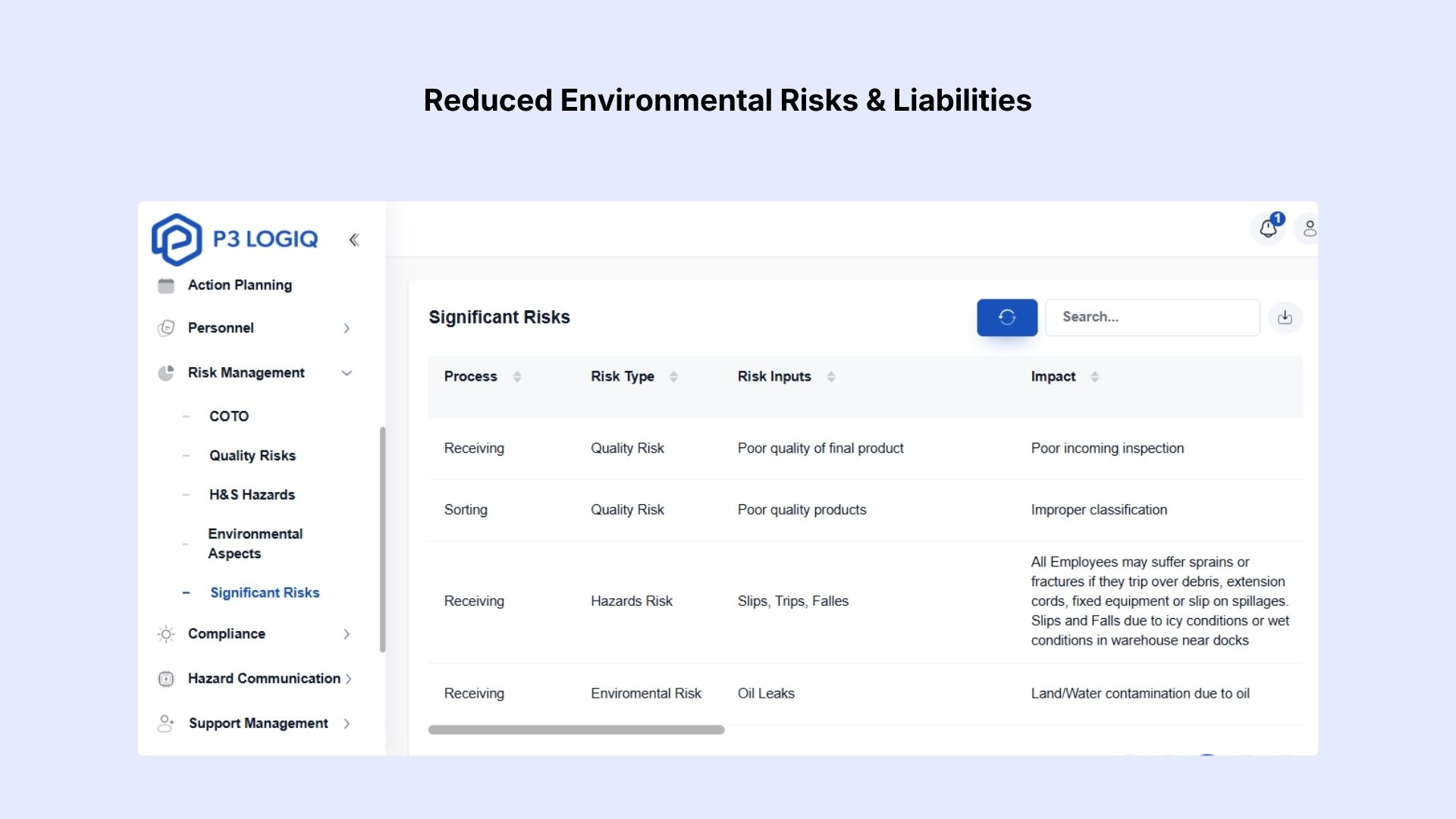
Imagine being careless and making a silly mistake such as chemical spills, excessive emissions, improper waste disposal, or environmental contamination can create serious operational and financial consequences for businesses.
It may lead to:
ISO 14001 requires your company to identify and evaluate environmental aspects and impacts associated with their activities.
This process encourages you to take the proactive risk management approach, analyzing potential environmental risks and implementing preventive measures before accidents happen.
By identifying risks early and implementing mitigation measures, you can significantly reduce ISO 14001 certification cost and liabilities.
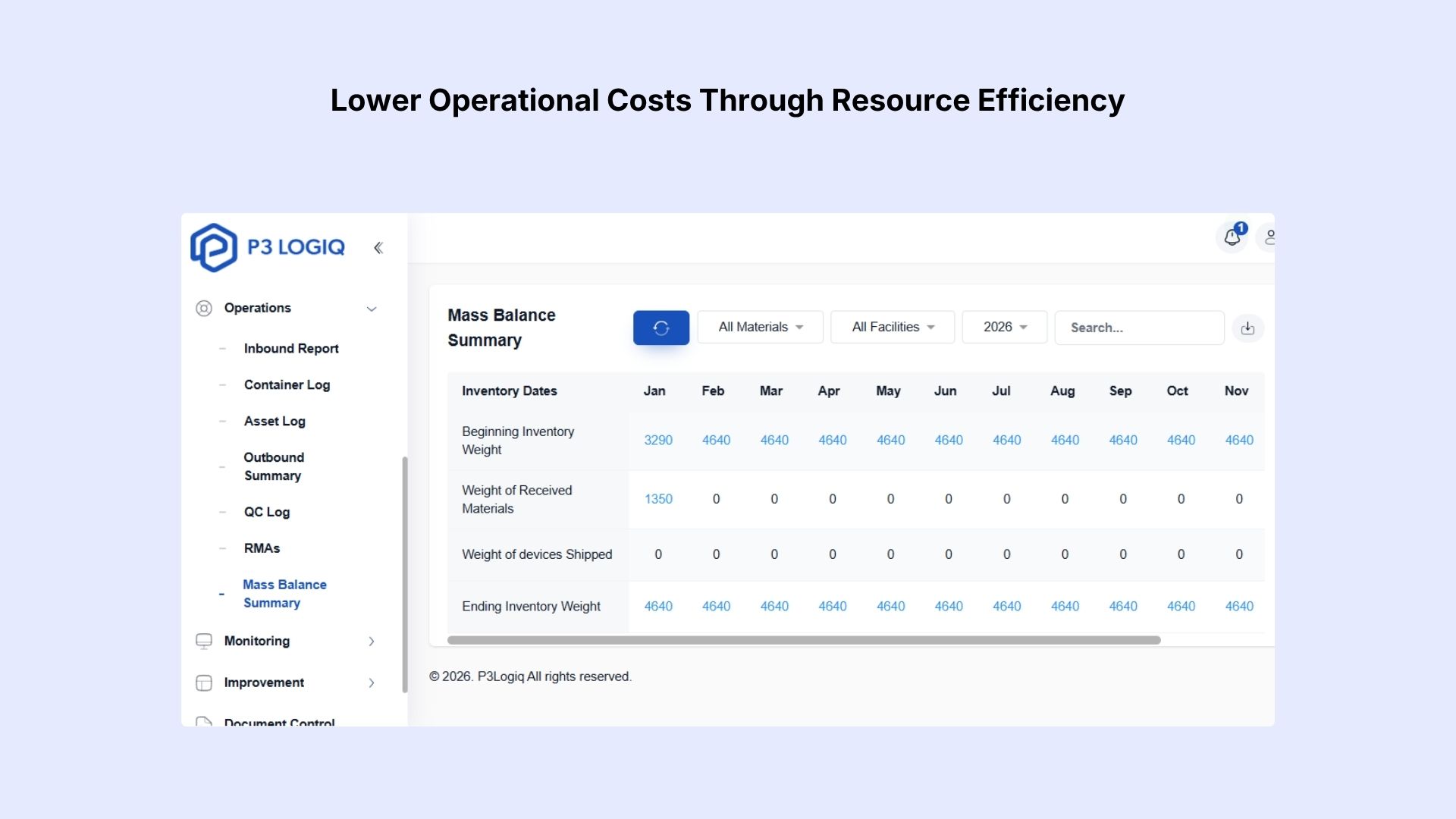
Companies primarily see ISO 14001 as a compliance management tool to improve their operation sustainability.
But from a practical standpoint, it is about reducing cost through resource efficiency.
Environmental management systems encourage organizations to monitor how they use resources such as
By analyzing resource usage patterns, businesses often discover opportunities to reduce waste, optimize energy consumption, and improve production efficiency.
This article from Taylor & Francis shows that over 182,000 companies using ISO 14001 saw a drastic improvement on resource utilization efficiency.
These improvements can result in significant cost savings over time while also reducing environmental impact.
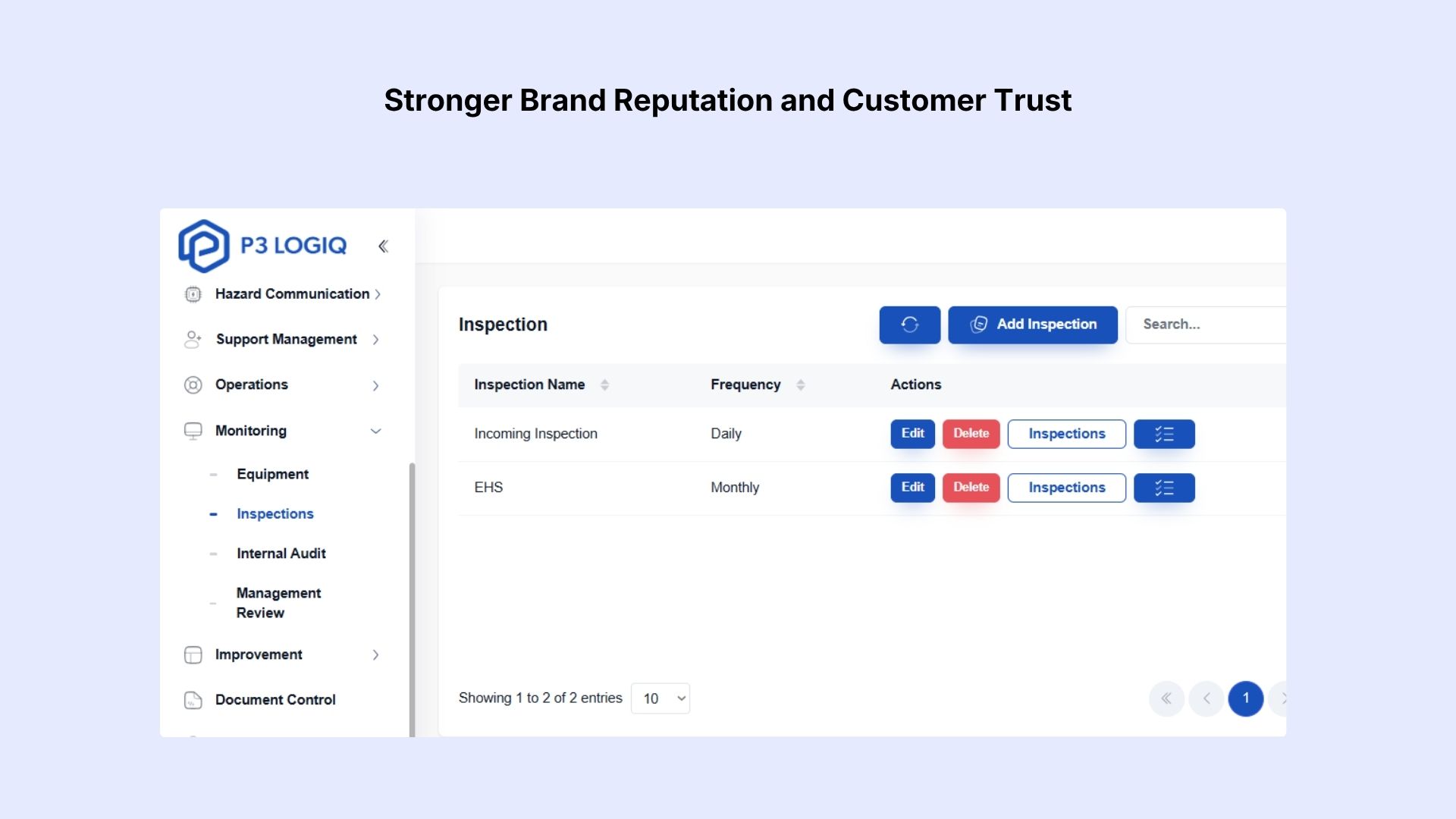
It wasn't long ago that environmental responsibility was a “nice-to-have” stamp on a now baseline business expectation.
You now have customers, investors, and partners evaluating companies based on their sustainability practices. If you do not provide clear proof of commitment towards environmental responsibility, it is basically like saying
“I am a red flag."
And because of this, your company risks losing trust or missing out on opportunities.
ISO 14001 certification provides that proof. It signals that your company follows a globally recognized framework and is actively working to reduce its environmental impact.
From a practical standpoint, this can influence purchasing decisions, partnership opportunities, and even investor confidence. Companies with visible environmental commitments are often perceived as more responsible, reliable, and future-ready.
In competitive markets, this reputational advantage can become a deciding factor for customers choosing between similar providers.

Think of it this way.
ISO 14001 increasingly acts as a gatekeeper for business opportunities.
Why?
Many large corporations and government bodies now include environmental requirements in their vendor selection criteria. Your company may not even qualify to do business with them if you do not possess ISO 14001.
Basically you are missing out on a lot of opportunities that can come your way.
ISO 14001 certification demonstrates that your organization has a structured approach to environmental management, which makes the clients perceive it as a low risk.
You need to understand that ISO 14001 should be used as a strategic tool to open the doors for new opportunities with international markets and their expectations. Do use this to your advantage to be competitive, especially in businesses that are focused on export.
This directly impacts your ability to win contracts.
For many businesses, this alone justifies the investment.
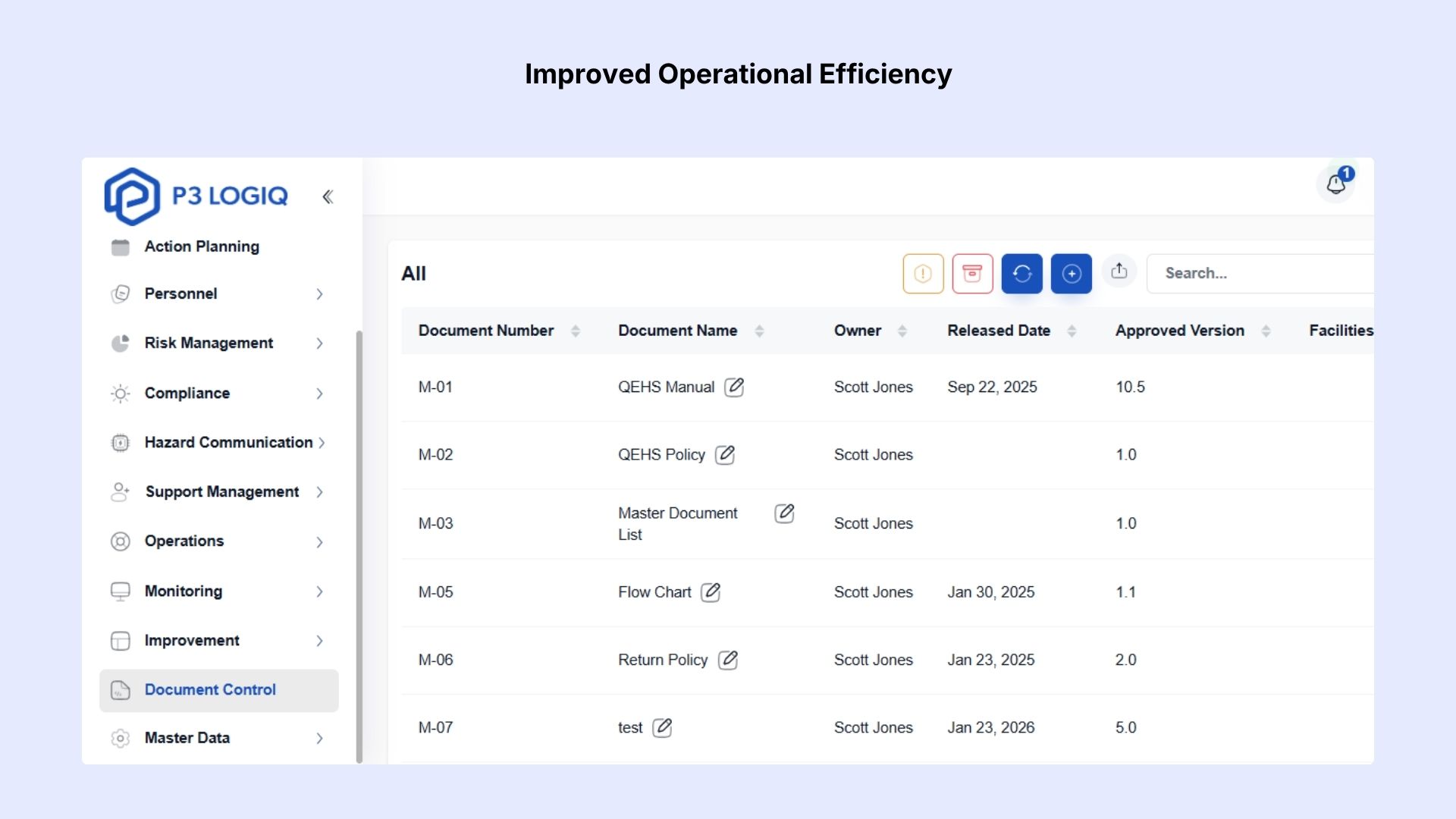
On a surface level, it seems that ISO 14001 does improve your environmental performance.
But on a deeper level, it improves how your business operates.
The standard requires companies to define processes clearly, assign responsibilities, and monitor performance regularly using a structured document management system. This reduces confusion, eliminates rework, and improves coordination between departments and teams.
Taylor & Francis shows in their article that having the ISO 14001 certification improves technical efficiency which was measured at a 2.7% output gain.
In practical terms, this means fewer operation errors, better process control, and more predictable outcomes.
Over time, these improvements compound into significant efficiency gains across the company.
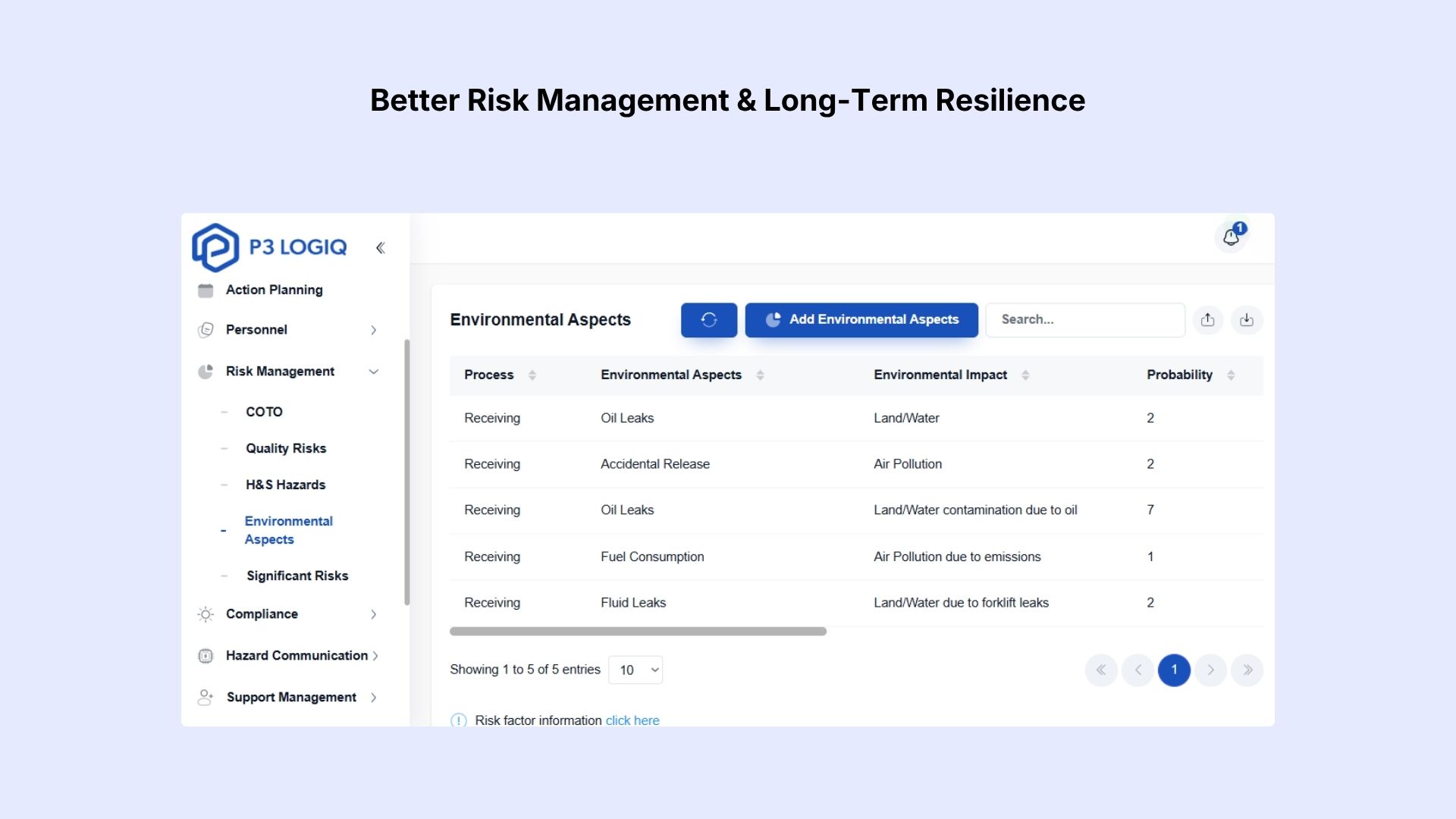
ISO 14001 introduces risk-based thinking into environmental management.
This encourages you to think from a perspective where you need to identify potential risks that can severely harm your operation and company. Think about taking preventative measures and eliminating the issue rather than fixing the issue after it appears.
It makes you stop for a second and question the following:
“What are the issues that can pop up in the future?”
And
“How do we fix it before it disrupts my company?”
Instead of only focusing on current issues, companies are required to identify future risks and opportunities related to environmental factors. This includes regulatory changes, shortages of resources, and climate-related risks. You can strengthen your approach by implementing structured ISO risk management systems to monitor risks across departments on a regular basis.
By planning for these factors in advance, businesses become more resilient and less vulnerable to sudden disruptions.
An article from an open access platform, MDPI, shows that ISO 14001 strengthens environmental risk identification and monitoring systems, helping organizations manage uncertainties more effectively.
This is important especially in industries where environmental risks can directly impact operations.

ESG (Environmental, Social, and Governance) reporting is no longer optional for many businesses.
If you want to make deals with businesses in these times
You have to understand that investors, regulators, and stakeholders are expecting companies to provide clear data about their environmental performance. Without a structured system, collecting and reporting ESG data becomes quite a chore.
ISO 14001 provides the framework needed to track your metrics for the environment, setting objectives, and monitoring progress.
This makes sustainability reporting more accurate, reliable, and aligned with global expectations.
For companies looking to attract investors or comply with ESG requirements, this becomes a major advantage.

Supply chains are becoming more sustainability-focused.
Large organizations increasingly expect their suppliers to follow environmental standards. Having an ISO 14001 certification signals that your company meets these expectations and can be trusted as a responsible partner to deal with.
Having standardized processes for supply chain management makes collaboration amongst others smooth and more predictable.
This open article published in ScienceDirect gives us an insight that facilities with ISO 14001 certification are 40% more likely to assess supplier environmental performance.
This shows that you improve in how you integrate with larger ecosystems and not just your operations.
For suppliers, this can be the difference between being included or excluded from the big leagues such as major contracts.
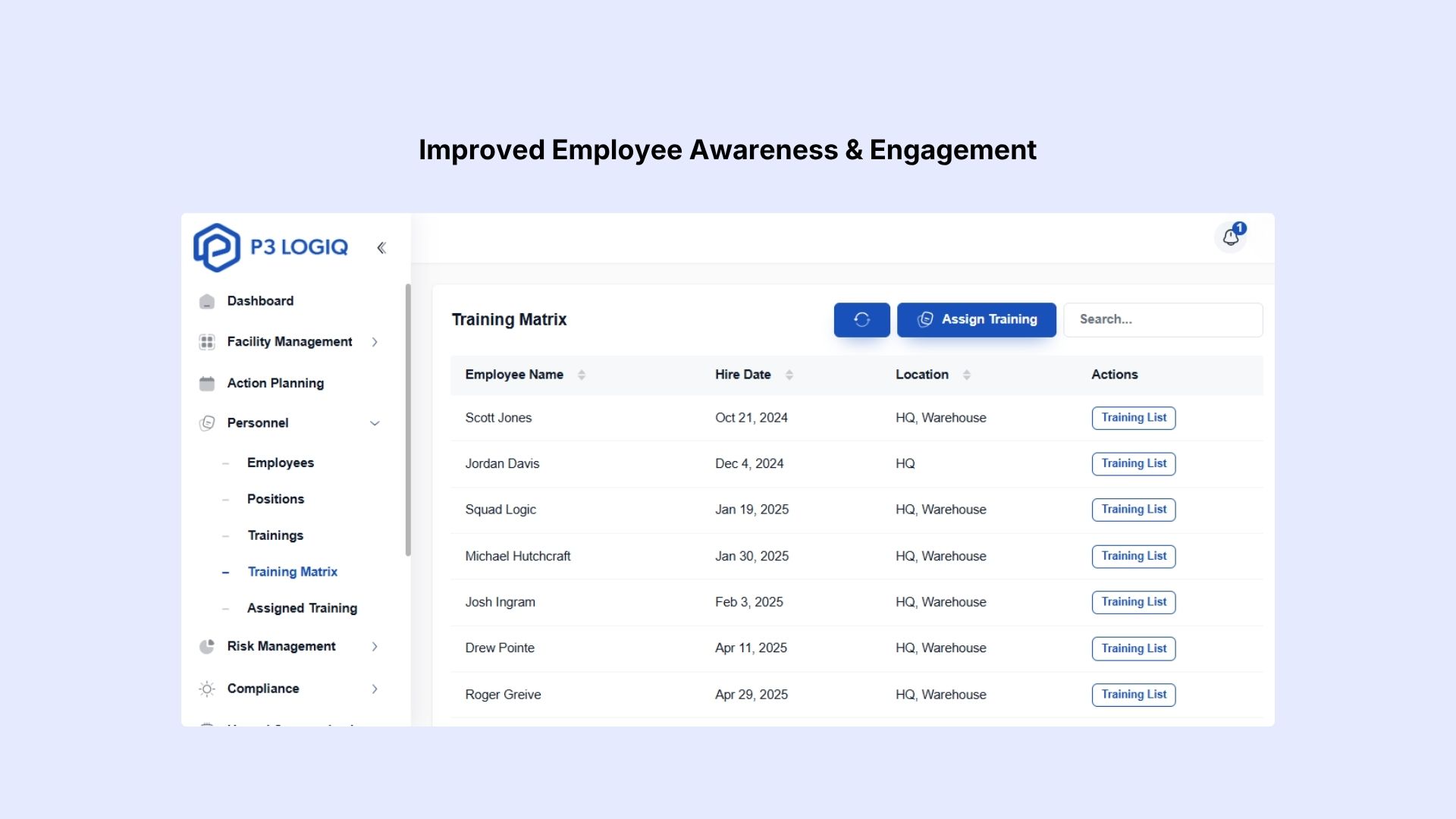
Environmental management is not just a leadership responsibility; it involves the entire workforce.
But for this to work effectively, it requires the top management to take initiative and be actively involved in this so that the entire staff can be motivated to work along with them.
ISO 14001 requires employee training, awareness programs, and participation in environmental initiatives. This creates a culture where employees understand their role in environmental performance.
Basically it is a skill to convince your staff to integrate ISO 14001; rather than just telling them to implement the standard, you will need to explain the benefits of why and how it can later help them.
For example, it can be that if the staff is told to implement them and if done correctly, their work and operation processes will get easier in the long run.
Voila! And they are ready to follow your lead.
It’s simple, actually.
When employees are involved, they often identify practical improvements that management might overlook.
In practical terms, this leads to better compliance, improved morale support, and stronger alignment with company goals.

ISO 14001 acts as a golden ticket for your company when you are trying to expand beyond your local market.
Because, when you enter a new country, clients and partners do not know your business, your processes, or how you operate. That lack of familiarity creates hesitation and slows down decision-making.
This is where ISO 14001 makes a difference.
Because it is internationally recognized, it gives your business instant credibility without you having to prove everything from scratch. It shows that your environmental management practices follow a globally accepted standard.
In many industries, it also aligns your business with the environmental expectations and sustainability standards followed in global markets.
For companies looking to grow internationally, ISO 14001 does not just create opportunities; it removes friction and makes expansion into new markets much smoother.
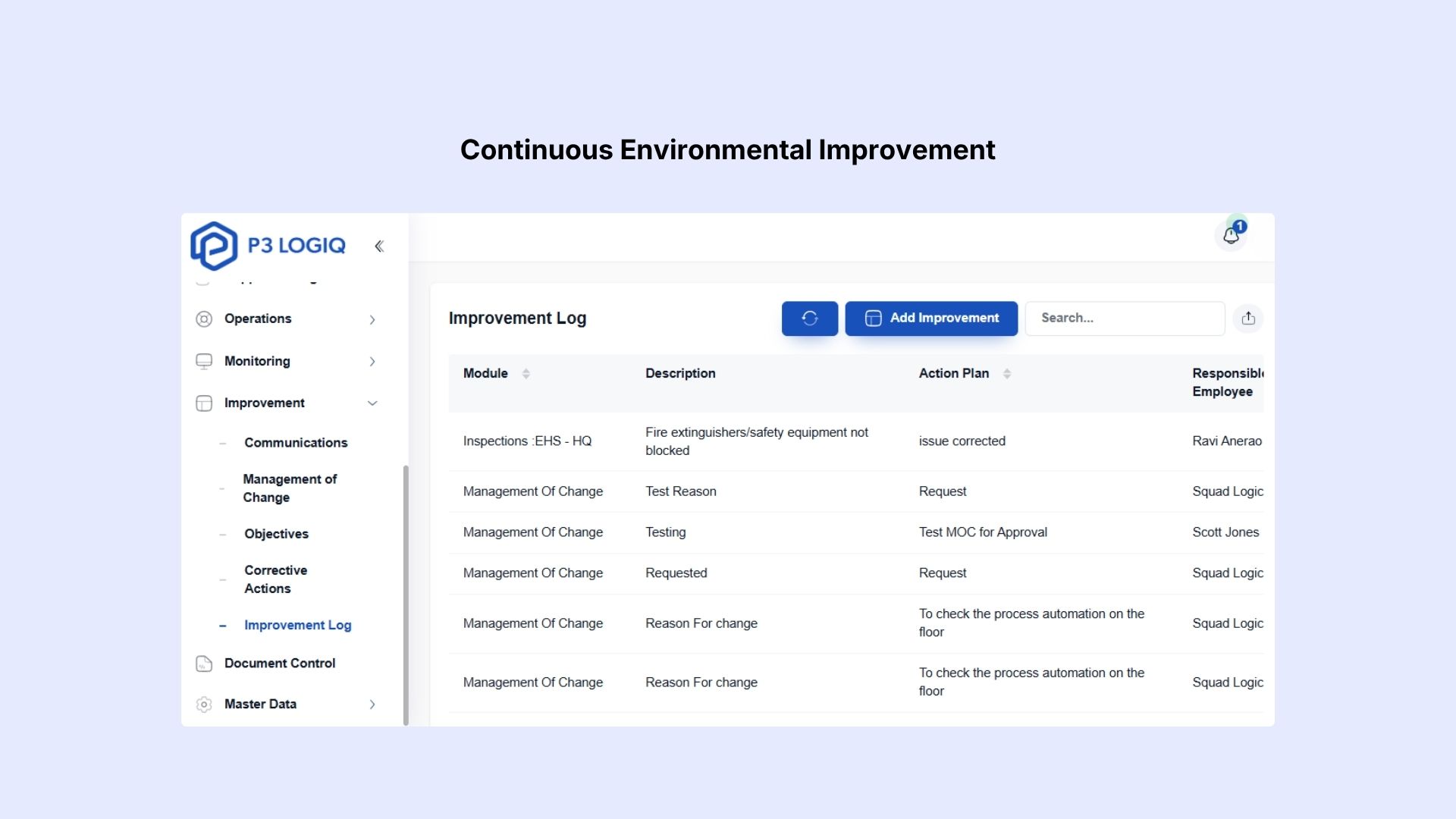
ISO 14001 is built on the following:
Aka PDCA cycle.
This is a practical approach, and the reason you want to do this is because it ensures that environmental management is not a one-time thing but rather an ongoing process. Companies regularly monitor performance, identify gaps, and implement improvements.
All of this can be hassle-free if you use a proper improvement management system. This structured approach prevents you from being stagnant and ensures that environmental performance becomes better alongside business growth.
An article from an open access platform, Springer Nature, shows that organizations implementing ISO 14001 experience continuous improvements in environmental indicators such as reduced energy consumption, lower emissions, and increased use of renewable energy.
Over time, these small improvements lead to significant long-term impact.

Most businesses try to manage environmental responsibilities as they grow, but without a system, things can fall apart and quickly become inconsistent.
Why does that matter?
Because as your operations scale, ad hoc decisions stop working. What worked for a smaller setup starts creating gaps, risks, and inefficiencies at a larger level.
ISO 14001 changes that by giving your business a structured environmental framework that grows along with you. Instead of reacting to issues, you are operating with defined processes that are aligned with your overall business strategy.
In a practical sense, you are not just putting a system in place for today; you are building a foundation that supports long-term, sustainable growth without losing control as your business expands.

I get the hesitation.
“This sounds like something built for larger companies. Does it really make sense for a small team like mine?”
Fair question.
Short answer: it does. And in many cases, smaller businesses feel the impact faster.
Why?
Because in a smaller setup, inefficiencies are more visible. Resource wastage, compliance gaps, or inconsistent processes hit harder when you don’t have layers. ISO 14001 brings structure right where it’s needed most.
Research published in the Journal of Cleaner Production shows that SMEs adopting ISO 14001 often experience improved operational control, reduced waste, and better cost efficiency, mainly because their processes are less complex and easier to optimize compared to large companies.
Now let’s look at it from a practical angle.
The investment for ISO 14001 might feel like a stretch initially. But compare that to:
When you stack it like that, the cost stops looking like an expense and starts looking like an investment.
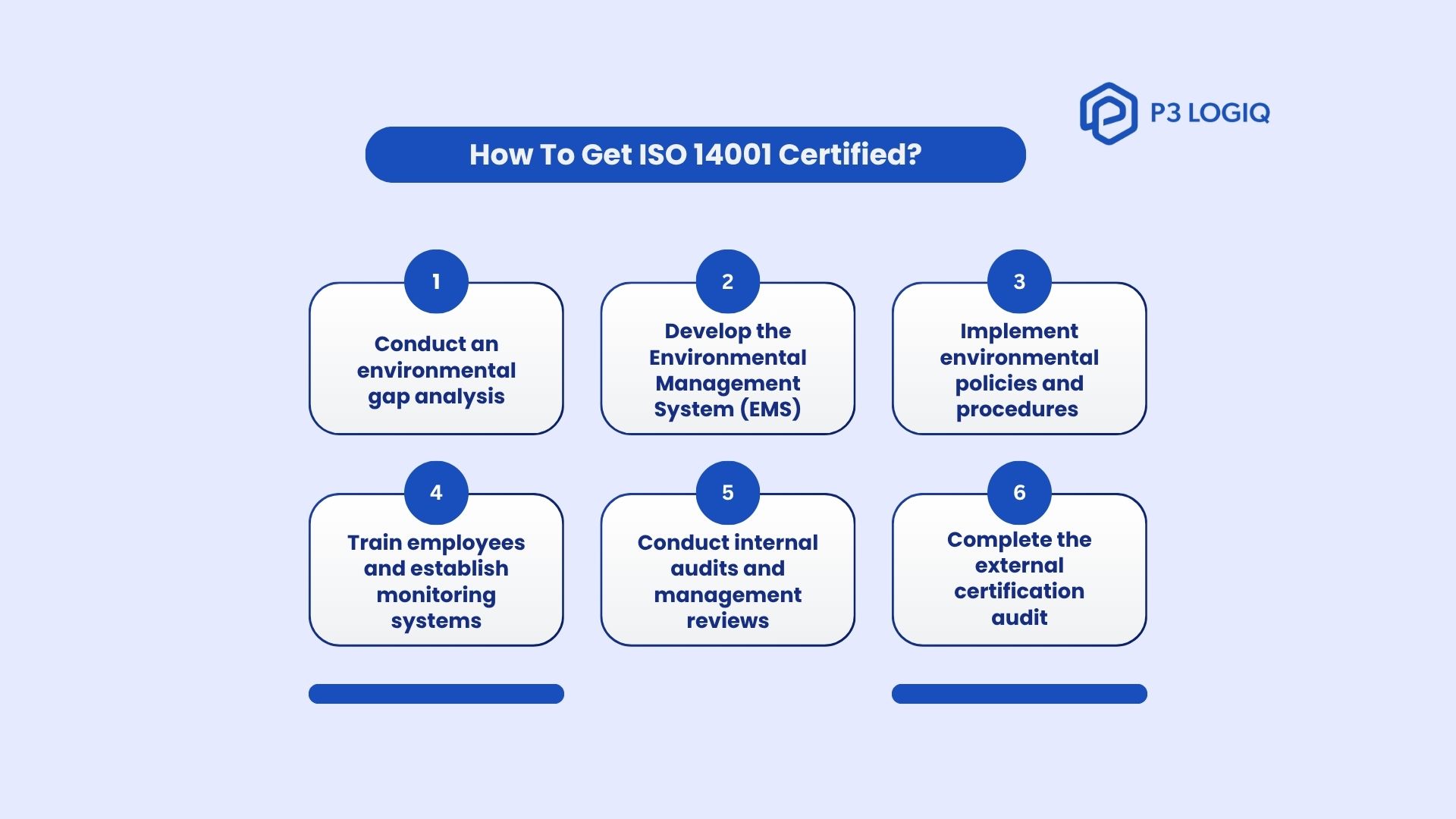
Companies will typically follow these key steps to achieve ISO 14001 certification.
Start by comparing your current processes with ISO 14001 requirements to identify what is missing. This helps you understand the scope of work and prioritize areas that need immediate attention.
Create a structured framework that defines your environmental policies, objectives, and procedures. This becomes the foundation for how your organization manages environmental responsibilities.
Put your documented processes into action across daily operations. This includes managing waste, controlling emissions, and ensuring all activities align with your environmental objectives.
Ensure your team understands their roles within the EMS and how their actions impact environmental performance. At the same time, set up systems to track key metrics like energy use, waste generation, and compliance status.
Regularly review your system by using an internal audit management system to check if it is working as intended. Internal audits help you identify gaps, while management reviews ensure leadership is actively involved in improvement decisions.
An accredited certification body (CB) evaluates your EMS to verify compliance with ISO 14001 requirements. There are two stages that you will need to go through.
Stage 1 is your documentation review.
Stage 2 is your work process review; basically, the CB checks if your company is implementing and following the processes as per the ISO standards.
If everything goes well, your company gets the certification.
For SMEs, it can take around 3-6 months based on the operation processes, internal resources, etc.
ISO 14001 is not just another certification to tick off your list.
At its core, it’s a system that helps your business operate with more control, fewer risks, and better efficiency while staying aligned with growing environmental standards.
As you have seen, the benefits go beyond compliance. You are looking at improved processes, cost savings, stronger credibility, and better opportunities to grow, whether that’s winning contracts or expanding into new markets.
The challenge, however, is not just understanding the value.
It’s implementing it the right way.
Many businesses struggle with where to start, how to structure their EMS, and how to prepare for audits without disrupting daily operations. That’s where having the right guidance makes a difference.

P3 LogiQ works closely with businesses to simplify ISO 14001 implementation all the way from gap analysis and documentation to system setup and certification readiness, so you’re not figuring it all out on your own.
If you’re planning to move forward with ISO 14001, book a free demo call with us so that we can get it done efficiently and correctly and can save you time, cost, and unnecessary rework.



Businesses need document management systems (DMS) to ensure ISO and R2 compliance, improve efficiency, and stay audit-ready. The article highlights key features like version control, security, and automation while reviewing the top 5 DMS solutions. P3 LogiQ stands out for its compliance-focused automation and secure document tracking
Read More
Recycling businesses gain efficiency, compliance, and sustainability with RIOS certification. It streamlines quality management, environmental responsibility, and worker safety, helping companies avoid legal risks and boost credibility. P3 LogiQ simplifies the certification process with automation, document control, and compliance tracking, making operations smarter and safer.
Read More
Audit Management Software (AMS) automates compliance tracking, streamlines workflows, and reduces audit risks. Key features include automated scheduling, compliance checklists, CAPA tracking, vendor risk management, and integrations.
Read More
Learn how audit management systems simplify ISO and R2 compliance by automating audits, managing documentation, and minimizing compliance risks efficiently.
Read More
In 2025, many businesses still face challenges in compliance management due to outdated methods like spreadsheets and fragmented software. This inefficiency leads to missed deadlines, increased risk, and regulatory penalties. The blog emphasizes the importance of modern compliance tools that automate workflows, enhance risk management, and streamline regulatory processes to meet ISO and R2 standards.
Read More
The rise in e-waste and environmental concerns makes responsible electronics recycling essential. The R2 Certification sets a global standard for safe, sustainable, and data-secure recycling practices. Developed by Sustainable Electronics Recycling International (SERI), R2 helps businesses manage environmental risks, data security, worker safety, and legal compliance.
Read More
Businesses face increasing challenges in managing complex regulatory compliance. Manual methods such as spreadsheets and paperwork can lead to missed deadlines, inefficiencies, and costly penalties. Compliance management software offers a streamlined solution to reduce risks, automate processes, and improve operational efficiency.
Read More
Maintaining R2 Certification is crucial for businesses in the e-waste recycling industry, ensuring regulatory compliance, sustainability, and strong stakeholder trust. This guide outlines 10 best practices to help businesses simplify operations, reduce risks, and stay compliant.
Read More
Unlock the value of ISO risk management certification. Explore its impact on compliance, risk mitigation, and business expansion.
Read More
Explore the top 5 ISO risk management software tools for 2025, including document management solutions for streamlined compliance and increased efficiency.
Read More
Find the ideal document management software (DMS) for your business. Learn how to choose with expert tips, key features, and insightful guidance
Read More
Unlock the power of a Document Management System (DMS). Learn how it can revolutionize your business operations.
Read More





.png)

.png)




.jpg)



.jpg)
.jpg)





.jpg)



.png)

.png)
.png)


.png)

