.jpg)

You finally decided to get your ISO 9001 certification.
Or you may be planning to renew your existing one.
Everything seemed straightforward until suddenly you started hearing conversations in the market about something new: ISO 9001:2026.
And just like that, you started wondering what this new update might mean for you.
Now you might be thinking:
“Does this mean I have to redo everything again?”
“What exactly has changed this time?”
“Should I wait for the new version before getting certified?”
You try to look it up online, but the technical jargon starts making your head spin
Soon, a dozen questions start running through your mind:
If I get certified before September this year, will it still be valid afterward?
Will I have to go through the entire certification process again next year?
Will my ISO 9001:2015 certification still count?
What exactly are these “changes” everyone is talking about?
Take a moment.
Pause. Breathe.
Relax.
You are not alone in feeling this way. And the good news is that none of this is as complicated as it might seem.
In this blog, I’ll walk you through everything you need to know about ISO 9001:2026 so you don’t fall behind while others move ahead.
We’ll take it step by step, without the confusing jargon.
So let’s start from the beginning.
At its core, ISO 9001:2026 is the next update to the world’s most widely used quality management standard. If you want to understand how the standard actually works in practice, explore our complete guide to ISO 9001 clauses.
Think back to 2015. That was the last time the ISO 9001 "rulebook" was updated. Back then, we weren't really using AI for daily tasks. Working from home was just a rare perk, not the norm. And we didn't have to deal with constant shipping delays or crazy weather hitting our supply chains.
The world has changed a lot since then, right? So, the rules have to change, too.
According to a recent research report on ResearchGate, the 2026 version is an "evolutionary" step. It focuses on making sure your business is resilient and ready for the digital age. It is a smart upgrade to fit how we actually work today.
That’s all ISO 9001:2026 really is. It’s an updated version of the standard designed to fit the way we actually work today.
Now, let’s talk about the big question that’s probably bugging you:
“If I get certified for the 2015 version now, is it even worth it?”
The short answer? Yes, absolutely.
Even after the new version comes out this September, you get a three-year "grace period" to switch over. This means your ISO 9001:2015 certificate will stay valid until around 2029.
You won't have to throw everything away or start from zero. You’ll just make a few small updates along the way.
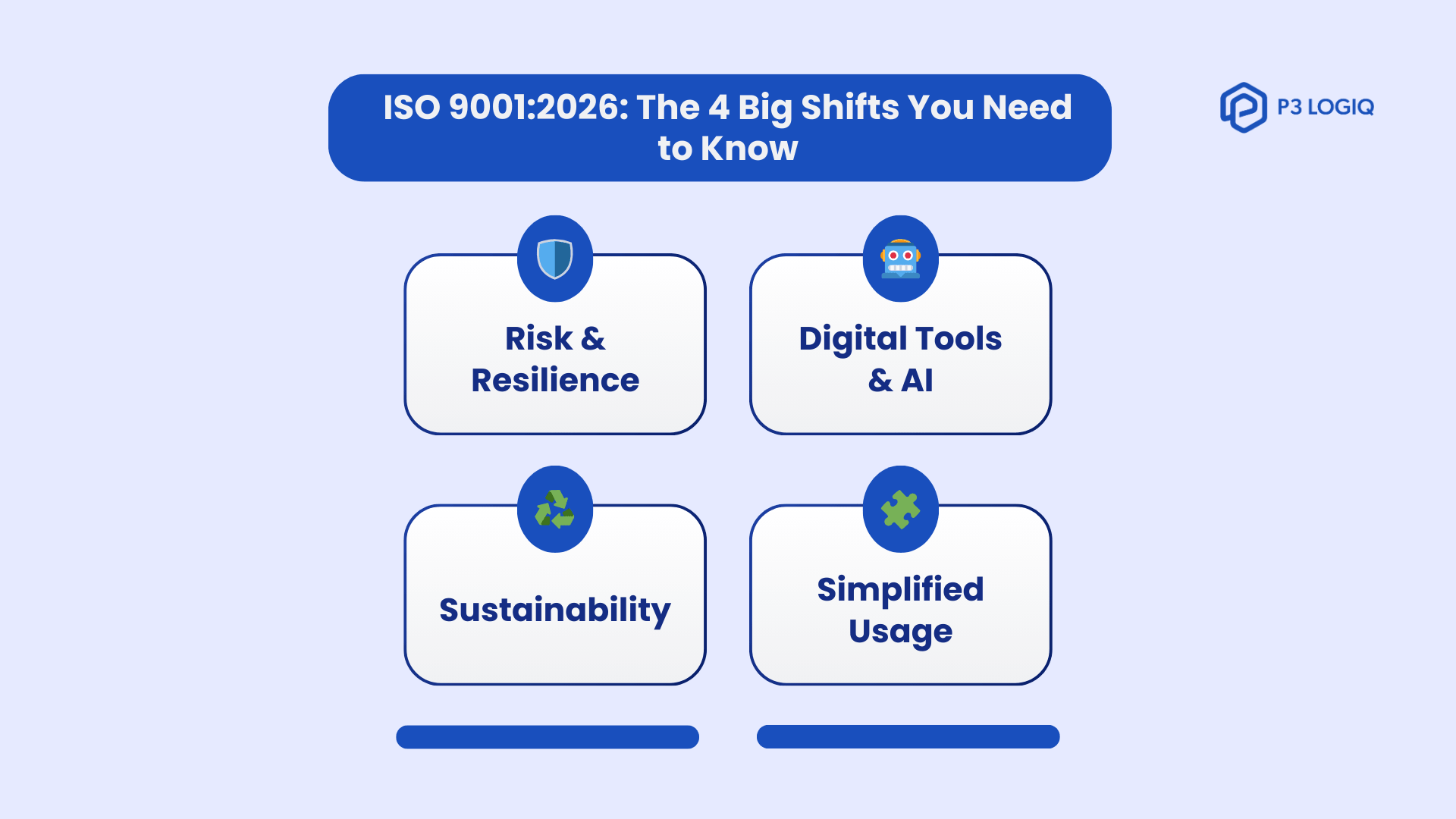
Right now, the final official version of ISO 9001:2026 is not out yet. We are expecting it in September. However, the FDIS goal is already clear. The experts want to make the rules fit how businesses operate today.
Instead of a total rewrite, they are refining the rules to help you stay updated in this fast-paced world. Here are the four big themes that are shaping the 2026 update:
When you are running a business, you know there can be surprises, like shipping delays or sudden tech changes. The new standard encourages you to build a resilient business: one that is ready to bounce back when things get tough. The goal is to make sure your quality stays high even when unexpected challenges pop up.
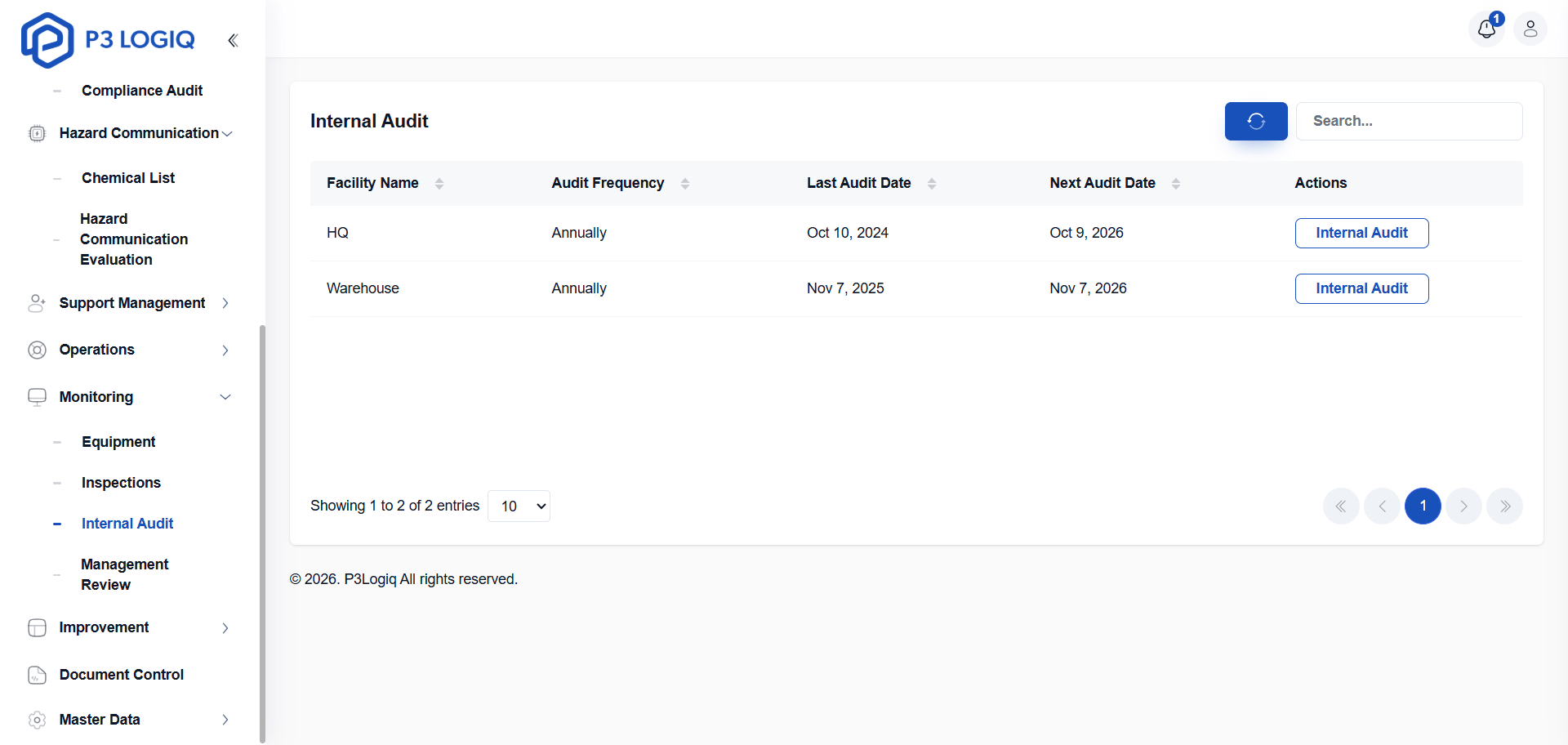
You likely already use digital tools, data, and automation to run your business. The 2026 update finally reflects how AI and smart software can help you improve, rather than just adding more noise. To see what's working best this year, check out our review of the 9 best ISO 9001 software for 2026 to find a tool that handles everything from audits to documents.
Sustainability is now a major priority. The new version will likely require you to examine how you manage resources and cut waste. It's not just about being eco-friendly; it's about ensuring your quality practices meet what your customers expect from a responsible company today. This shift is detailed in a report by the American Society for Quality (ASQ). It explains how the 2026 version will assist businesses in managing global risks.
One of the biggest goals of this update is to make the standard easier to understand. We are expecting clearer wording and better practical guidance. This means less time scratching your head over weird jargon and more time actually using the process to help your business grow.

You might be wondering if this update actually helps your business or if it is just more paperwork. The truth is that the 2026 version is built to give you a real advantage. By following these updated rules, you are making your business faster and smarter:
The update is expected to help businesses use digital tools to handle manual, repetitive tasks more effectively.
By planning for risks early, you can keep your customers happy and deliver on time even when global supply chains get chaotic.
Large organizations prefer partners who are organized and responsible. This is a big part of how ISO 9001 can actually be beneficial for your business because it proves you are a leader who is ready for the future.

Do not worry about remembering many dates. There are only three key milestones you need to track for the ISO 9001:2026 standard.
Right now, the ISO 9001 version 2026 is in its final stages. We have already cleared the DIS (Draft International Standard) phase, where the main ideas were voted on. We are now moving into the FDIS (Final Draft International Standard) stage. This is the last check-up before the rules are locked in for good.
As you can see, there is no reason to panic. This long transition period gives businesses time to review the ISO 9001 update and make changes step by step.
Moving your business to the ISO 9001:2026 standard does not have to be a huge project. The best way to handle these ISO changes is to treat them like a simple health check for your quality management system.
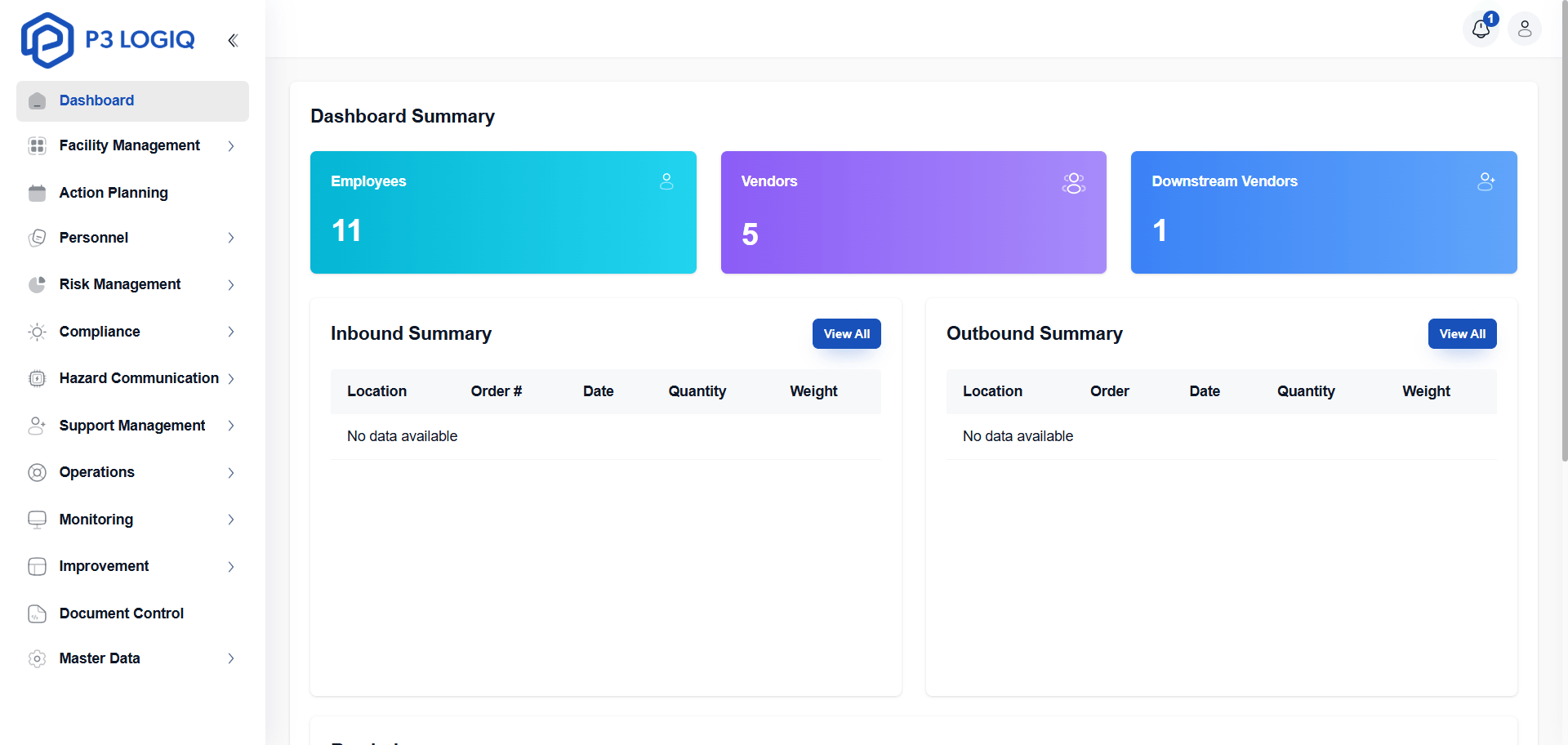
Look at how your processes work today. Check where you may need to add updates related to digital tools or new requirements. Many teams find that audit management systems simplify ISO compliance by making this review process much faster and more accurate. This helps you see exactly what needs to change before the 2029 deadline.
Compare your existing documentation with the ISO 9001 2026 standard once it is published. This will help you see what needs to change.
Make sure employees understand the ISO 9001 update and feel comfortable with any adjustments.
If you are just starting and want to understand the full journey, you can follow our ISO 9001 certification process step-by-step guide.
In the US, staying ahead of the competition is everything. Whether you are a small shop or a large company, the ISO 9001:2026 standard is like a global passport for your business. It tells everyone that you play by the latest rules. Here is why this update is a big deal for the American market:
Many big companies and government agencies in the US prefer businesses to be ISO 9001 certified. Having the latest version shows that you are aligned with modern quality standards. If you want to see the numbers behind the move, we’ve decoded the true ROI of ISO certification for growing businesses.
If you sell products outside the US, this version helps you speak the same quality language as partners in Europe and Asia.
The FDIS highlights how businesses now use digital tools to manage quality. Being up to date proves your tech processes are solid and reliable.
Customers today care about how businesses are run. Following the ISO 9001 update proves that your business is responsible and cares about consistent quality.
By moving toward the ISO 9001:2026 certification, you are not just following a rule. You are making sure your business stays relevant and respected in the global marketplace. One of the easiest ways to stay aligned with the standard and avoid mistakes is by using ISO 9001 compliance software to manage documentation, audits, and compliance processes efficiently.
ISO 9001:2026 is coming.
The deadline is 2029. But the smartest businesses? They are already preparing.
Don't let manual paperwork slow you down. You can skip the audit stress by using the right tools from day one. Book a demo to see how P3LogiQ simplifies compliance.
ISO 9001:2026 is the newest version of the world’s most popular quality management standard. It gives businesses a clear roadmap for building stronger systems and keeping customers happy. This update is designed to help companies stay relevant in a fast-changing world where digital tools are used every single day.
The official version of the ISO 9001:2026 standard is expected to be published in September 2026. This date marks the start of the new rules for quality management across the globe. Since we are currently in the FDIS stage, we already have a very good idea of what the final rules will look like.
Businesses usually have a three-year window to move from the old 2015 version to the new 2026 standard. This means your official deadline to complete the transition will likely be in September 2029. Starting your preparation early is the best way to avoid a last-minute rush and keep your certification active.
The new version focuses heavily on making businesses more resilient and ready for risks. There is a bigger emphasis on using digital tools to track quality and being mindful of environmental changes. While the core rules stay the same, the 2026 update is much better suited for the modern, tech-heavy workplace we all use now.
It is more of a smart refresh than a total rewrite. The 2015 version focused on risk-based thinking, and the 2026 version takes that even further by adding digital transformation and ethics. It is not meant to make things harder for you. It is meant to make your quality systems more useful for today’s market.
You are not required by law to buy new software for this update. However, many companies are switching to tools like P3LogiQ because manual paperwork is becoming too slow. Using a digital platform makes it much easier to update your documents and stay audit-ready. It saves your team from the stress of messy spreadsheets and lost files.
While the government does not force you to get ISO 9001, many big clients and government agencies do. Most businesses see it as a "market-mandatory" requirement because it proves you have high standards. Having the 2026 version shows your partners that you are a modern leader who cares about quality and consistent results.



Businesses need document management systems (DMS) to ensure ISO and R2 compliance, improve efficiency, and stay audit-ready. The article highlights key features like version control, security, and automation while reviewing the top 5 DMS solutions. P3 LogiQ stands out for its compliance-focused automation and secure document tracking
Read More
Recycling businesses gain efficiency, compliance, and sustainability with RIOS certification. It streamlines quality management, environmental responsibility, and worker safety, helping companies avoid legal risks and boost credibility. P3 LogiQ simplifies the certification process with automation, document control, and compliance tracking, making operations smarter and safer.
Read More
Audit Management Software (AMS) automates compliance tracking, streamlines workflows, and reduces audit risks. Key features include automated scheduling, compliance checklists, CAPA tracking, vendor risk management, and integrations.
Read More
Learn how audit management systems simplify ISO and R2 compliance by automating audits, managing documentation, and minimizing compliance risks efficiently.
Read More
In 2025, many businesses still face challenges in compliance management due to outdated methods like spreadsheets and fragmented software. This inefficiency leads to missed deadlines, increased risk, and regulatory penalties. The blog emphasizes the importance of modern compliance tools that automate workflows, enhance risk management, and streamline regulatory processes to meet ISO and R2 standards.
Read More
The rise in e-waste and environmental concerns makes responsible electronics recycling essential. The R2 Certification sets a global standard for safe, sustainable, and data-secure recycling practices. Developed by Sustainable Electronics Recycling International (SERI), R2 helps businesses manage environmental risks, data security, worker safety, and legal compliance.
Read More
Businesses face increasing challenges in managing complex regulatory compliance. Manual methods such as spreadsheets and paperwork can lead to missed deadlines, inefficiencies, and costly penalties. Compliance management software offers a streamlined solution to reduce risks, automate processes, and improve operational efficiency.
Read More
Maintaining R2 Certification is crucial for businesses in the e-waste recycling industry, ensuring regulatory compliance, sustainability, and strong stakeholder trust. This guide outlines 10 best practices to help businesses simplify operations, reduce risks, and stay compliant.
Read More
Unlock the value of ISO risk management certification. Explore its impact on compliance, risk mitigation, and business expansion.
Read More
Explore the top 5 ISO risk management software tools for 2025, including document management solutions for streamlined compliance and increased efficiency.
Read More
Find the ideal document management software (DMS) for your business. Learn how to choose with expert tips, key features, and insightful guidance
Read More
Unlock the power of a Document Management System (DMS). Learn how it can revolutionize your business operations.
Read More







.png)


.png)



.jpg)



.jpg)
.jpg)









.jpg)


.png)

.png)
.png)




.png)

